Data that supports decisions
Field sensing and data validation supply a trustworthy starting point for optimization.
2025–2026 heating season · Full-season AI-managed operation at Zhengzhou Airport Zone
The advantage is not an AI dashboard; it is a physically constrained, executable control loop.
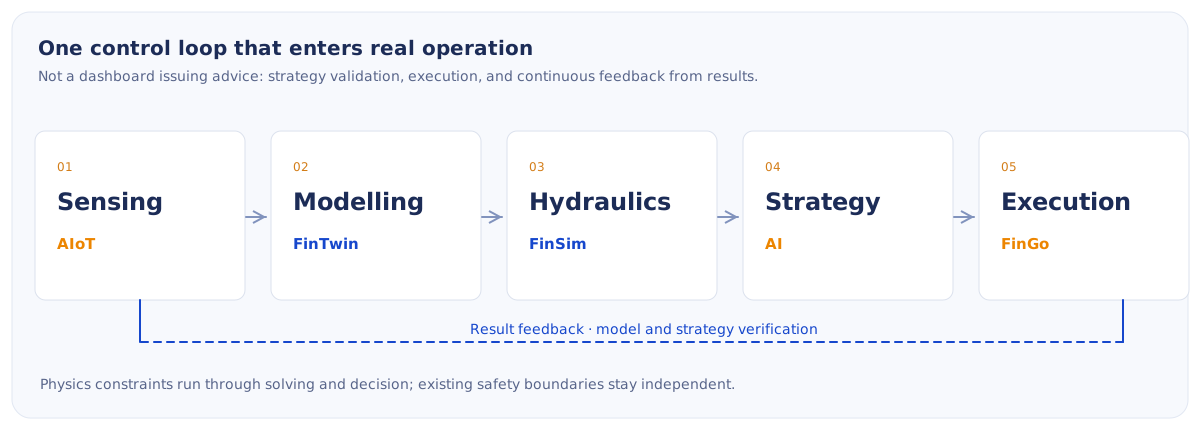
A dashboard shows what happened. Operational AI helps decide, execute and verify what happens next.
Field sensing and data validation supply a trustworthy starting point for optimization.
FinTwin provides computation-ready models while FinSim solves hydraulic operating conditions.
FinGo and edge controls support dispatch execution and feedback within existing safety limits; the Nuanliu Energy AI Agent Platform carries this decision and execution layer.
The same modelling, simulation and control loop applied to four operating domains. Scope and measured outcomes are reported per project, within its own engineering boundary.
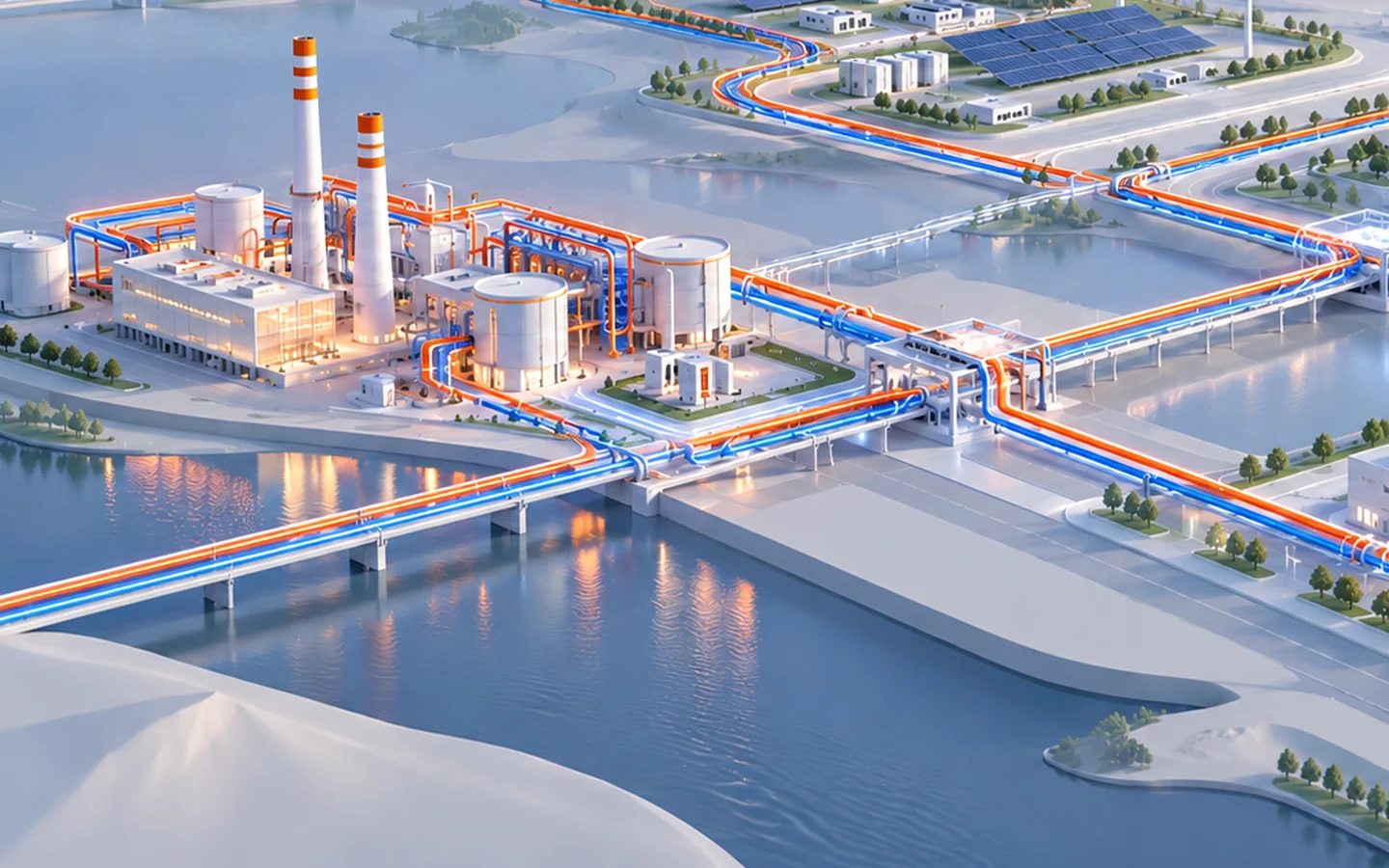
Full-season AI-managed substation operations, long-distance pumping, multi-source dispatch, and secondary-network balancing.
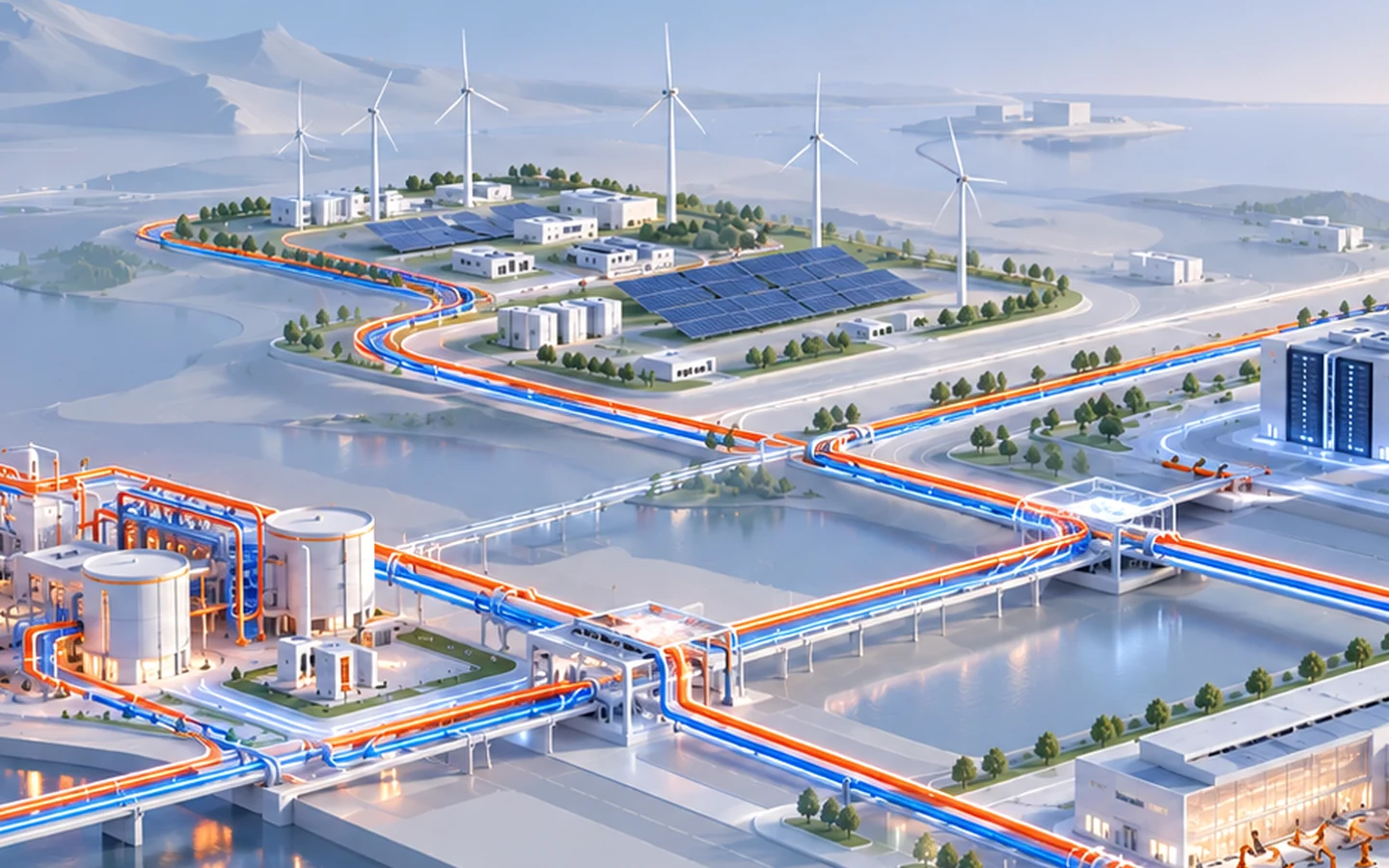
Demand forecasts, equipment constraints and multi-energy scheduling for cooling, heating, electricity and storage.

Physics-based cooling optimization with rack-hotspot forecasts, cooling-air control and equipment constraints.
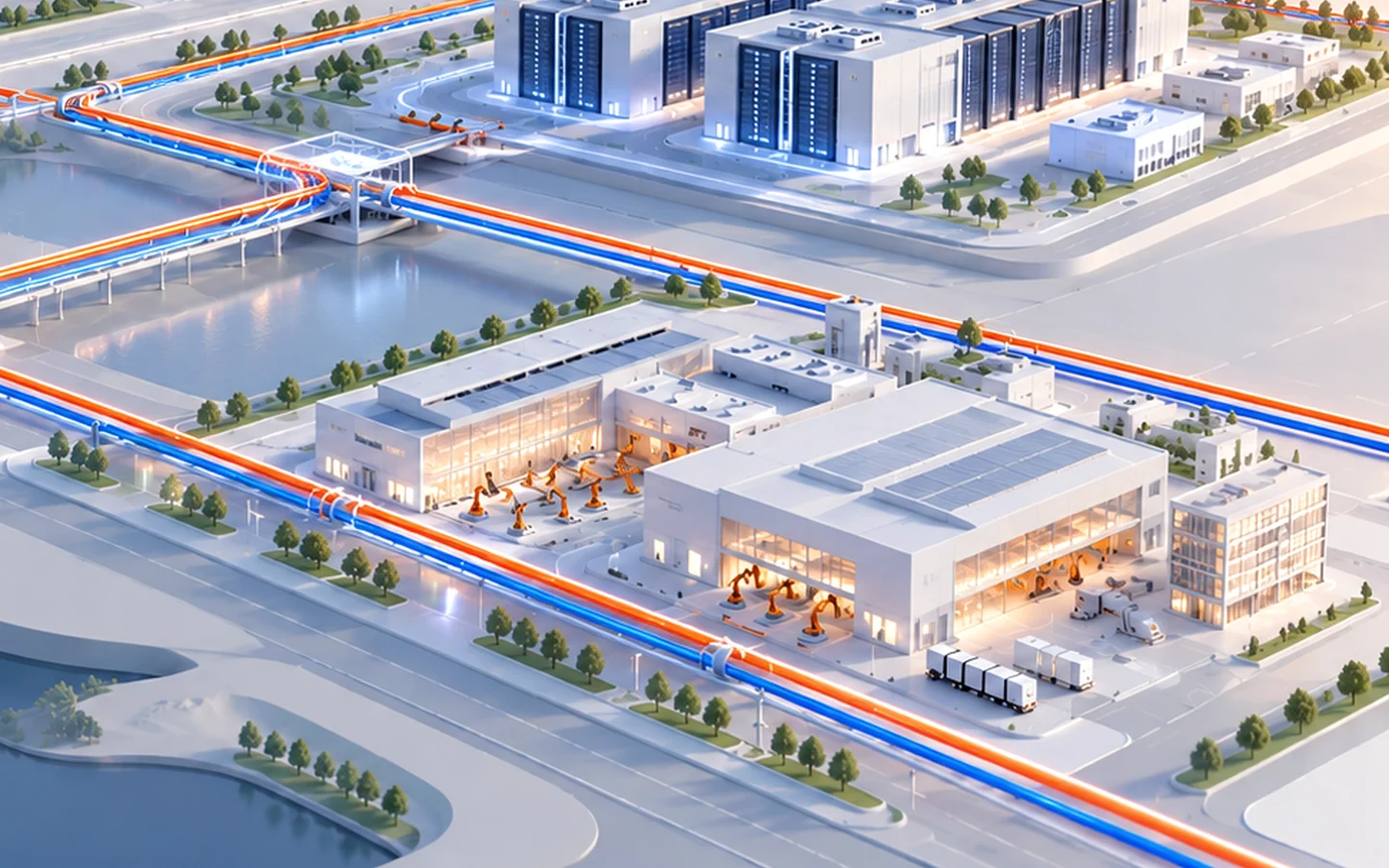
Model-driven dehumidification, plant cooling and utilities optimization within process quality limits.
Three different operational projects, each reported within its own scope.

FinMe links multiple heat sources, long-distance pipelines and substations. Service work orders fall 65%, with approximately RMB 50 million in first-year economic benefit.
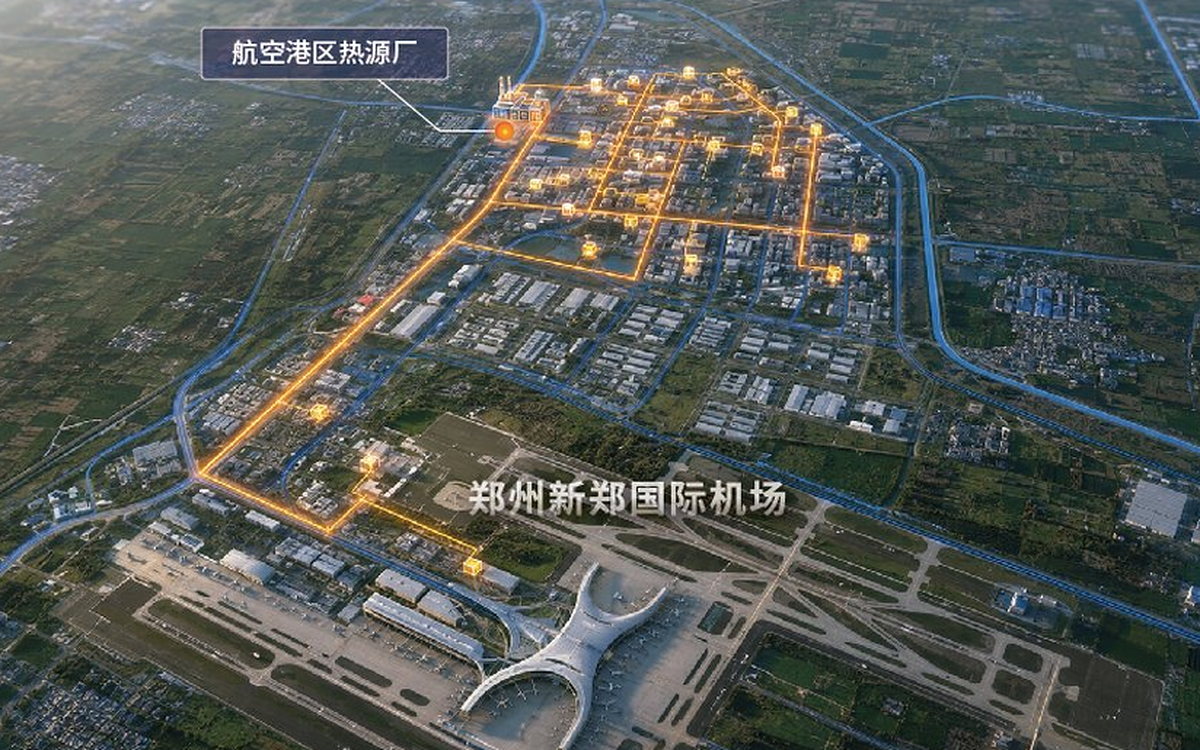
AI-managed operation through a complete heating season across 87 substations and 135 systems. Energy savings are 13.70% and 17.95% for two different heating seasons.
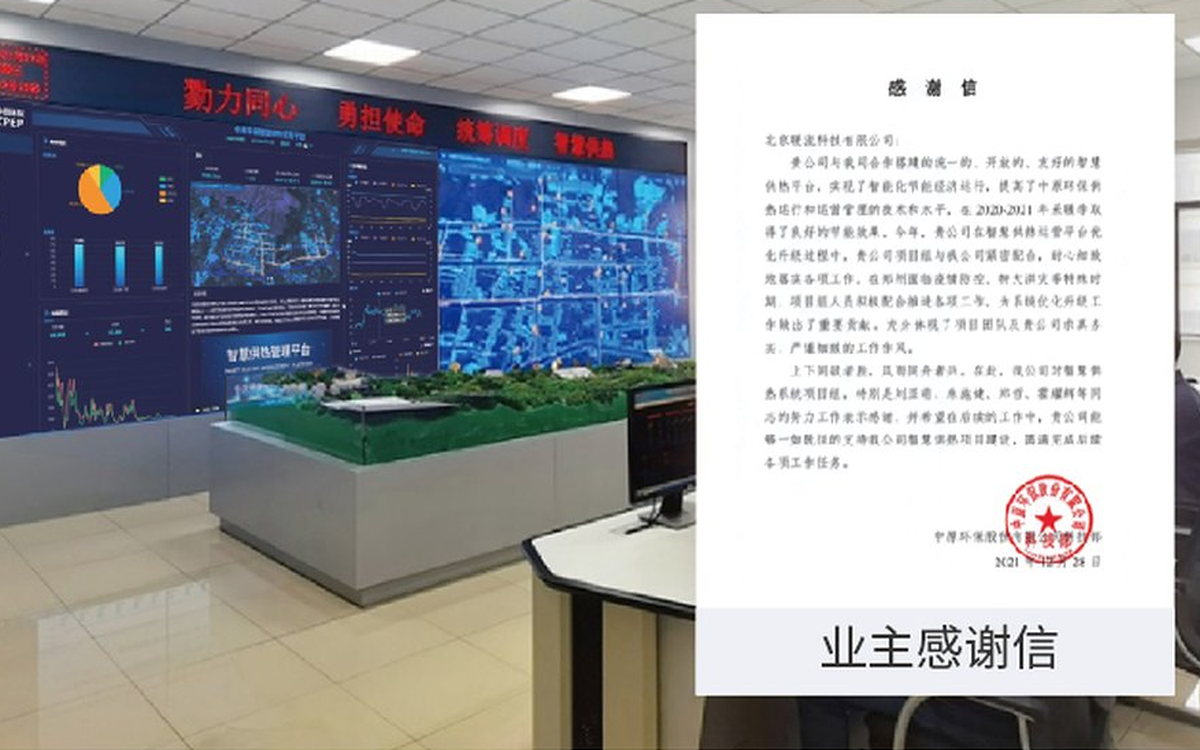
An EMC upgrade integrating intelligent substation controls and operational coordination across 261 substations and 357 systems. First-year average heat savings: 16.4% under the project's own measurement scope.
Share the network, operating constraints and control objectives. We will discuss technical fit and the required evidence.